QuinTechSys Publishing Studio Est. from practice, not theory

From a half-formed idea to a publication-ready book.

Strategy, manuscript development, editing, proofreading, interior formatting, cover design, and publishing preparation—managed as one coherent process.

For experts & organizations Author-owned One accountable studio
proof / 05
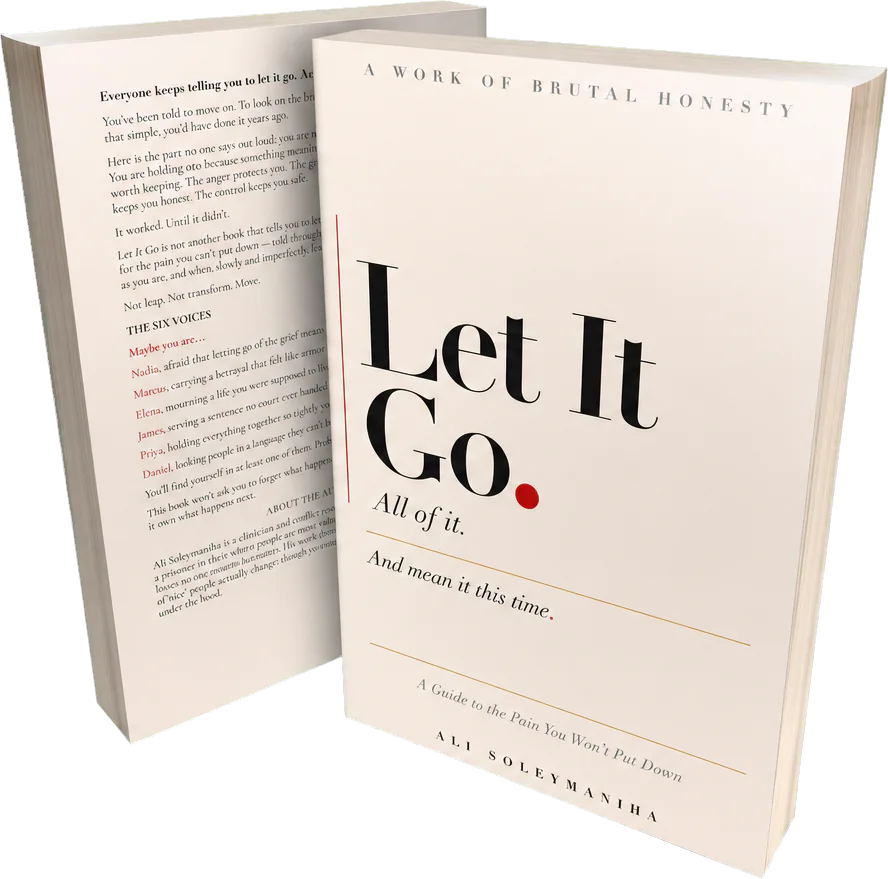
New — now on Amazon Let It Go book — new release
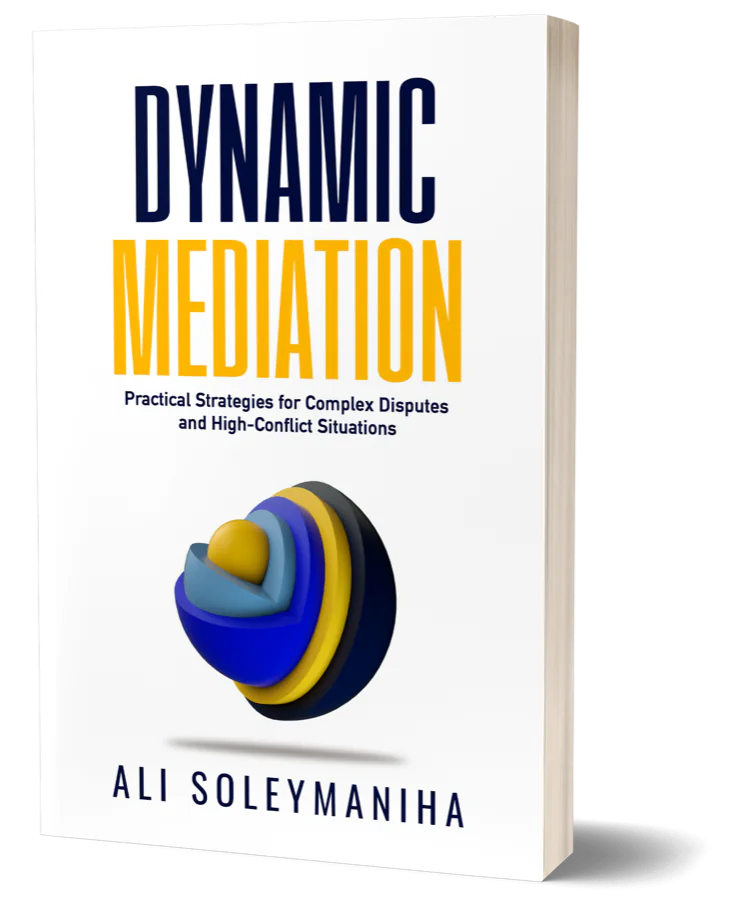
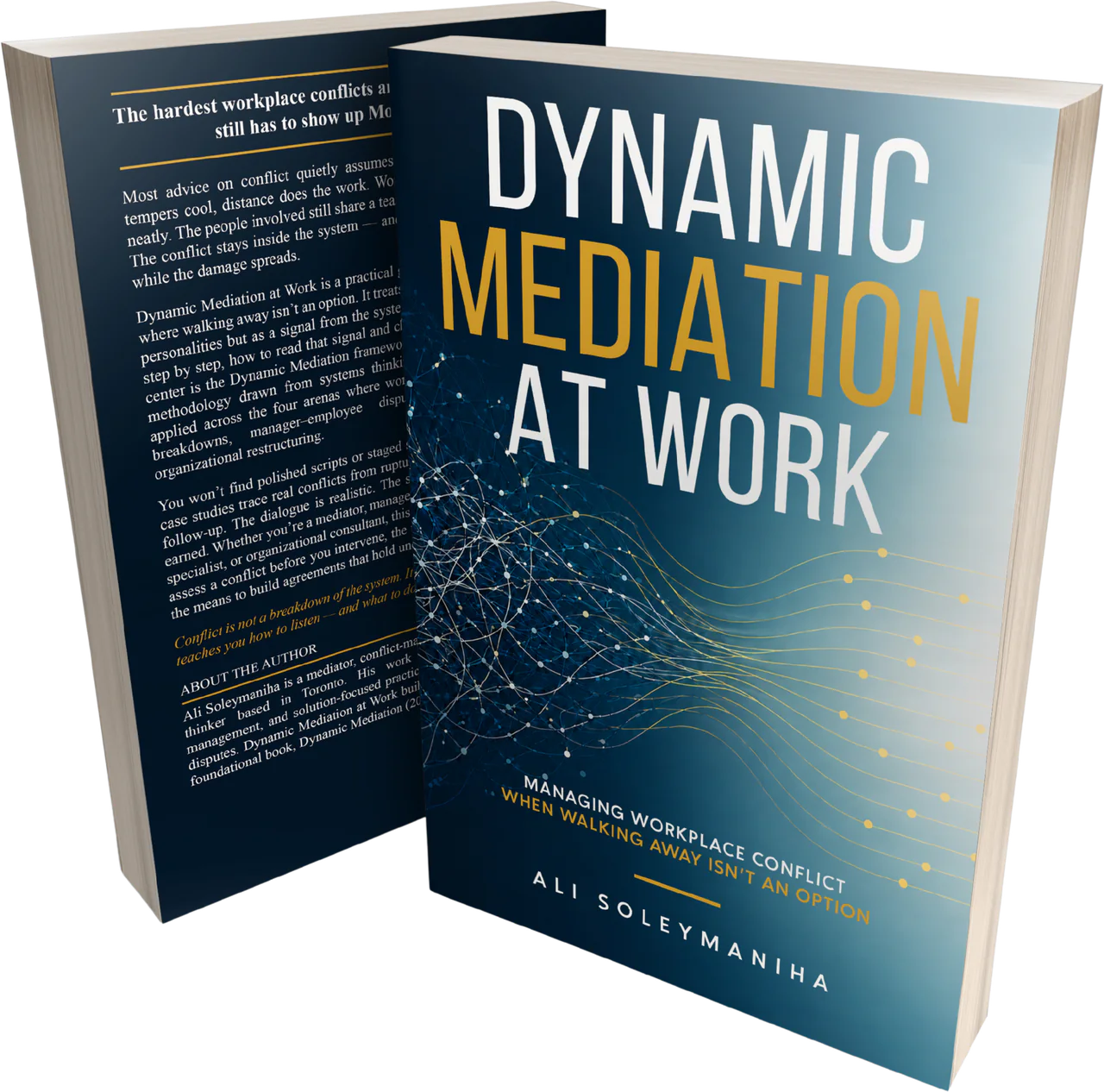
Dynamic Mediation at Work book
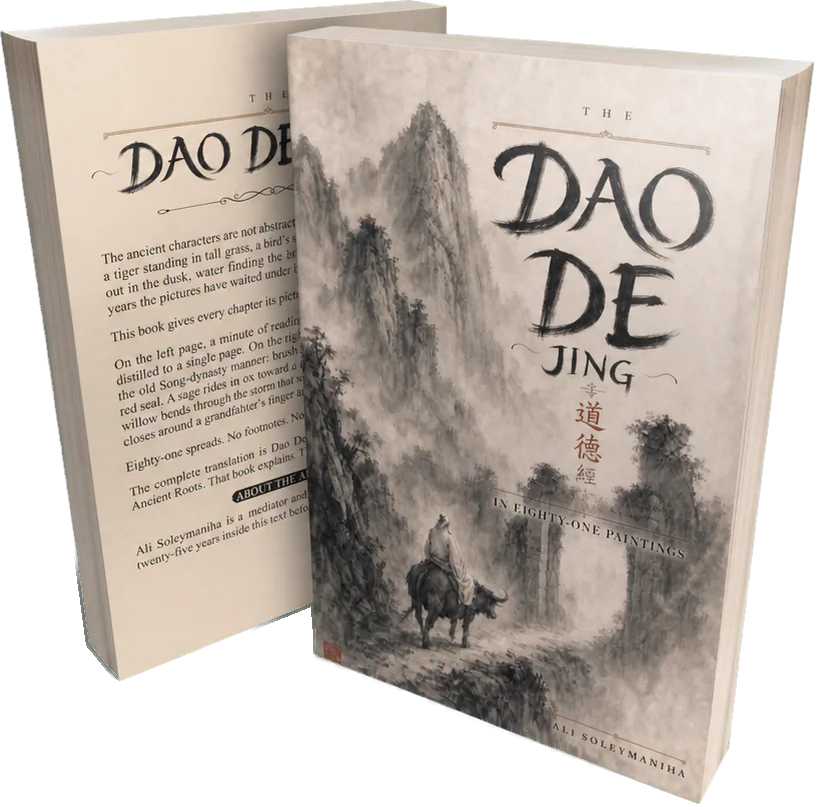
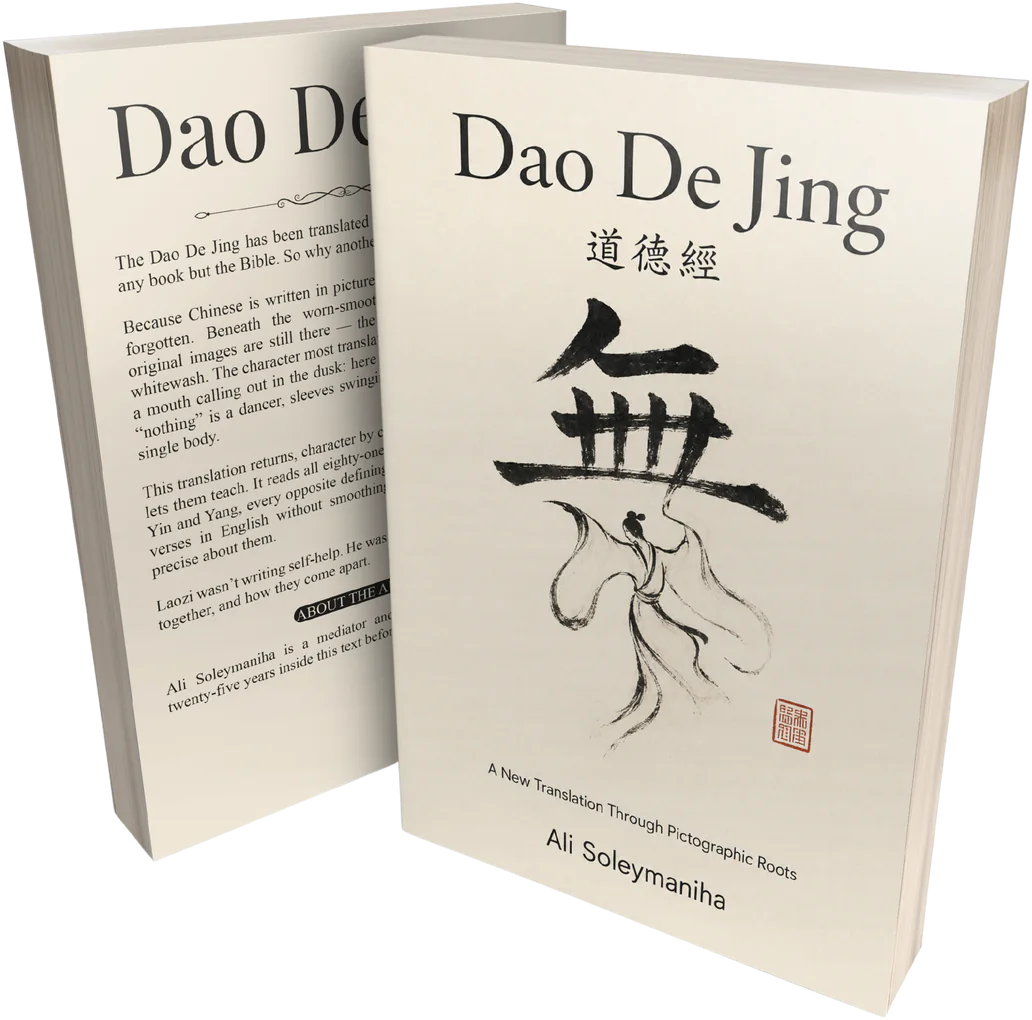
The Dao De Jing in Eighty-One Paintings book — new release
Dao De Jing book
Dynamic Mediation book
idea → manuscript → object
Stages
9
Tasks along the way
44
Specialist roles involved
19
Author in the middle of it
1

How publishing works

Writing the book is only part of publishing it.

Between a finished draft and a book a stranger can buy sit nine stages. Each has its own specialists, its own standards, and its own way of going wrong. Most authors meet them one surprise at a time.

Read the full guide
01

Define the book

Who is it for, and what does it promise them?

Where it goes wrong

A book written for everyone tends to reach no one. Skipping this stage is the most common reason a manuscript has to be rebuilt later.

02

Choose the route

Who will publish it, and who will own it?

Where it goes wrong

Some publishing offers quietly keep the ISBN, the files, or a share of your royalties. Once signed, those terms are hard to unwind.

03

Write the manuscript

Does the whole book hold together?

Where it goes wrong

Polishing sentences in chapter three while chapter seven contradicts it. Structure has to be settled before style, or the polishing gets thrown away.

04

Edit in layers

Is every sentence clear, correct, and consistent?

Where it goes wrong

Treating editing as one pass. These are different jobs done at different moments, and doing them out of order means paying for some of them twice.

05

Clear the rights

Are you allowed to print everything in it?

Where it goes wrong

Song lyrics and borrowed images are the classic trap. One unlicensed epigraph can force a reprint.

06

Design the book

Does it look like it belongs on the shelf it is aiming for?

Where it goes wrong

Spine width depends on the final page count and paper stock. Finish the cover too early and it will not fit the book.

07

Register and describe it

Can stores, libraries, and readers find it?

Where it goes wrong

Metadata is how stores and search engines decide what your book is. Vague categories bury good books.

08

Produce and proof

Will the printer accept the files, and will you like what arrives?

Where it goes wrong

A file that looks perfect on screen can be rejected by the printer, or print with text sinking into the gutter. Only a physical proof tells the truth.

09

Release it

Is everything in place on the day it goes live?

Where it goes wrong

Print cost, retailer discount, and list price interact. Set them carelessly and a sale can earn you almost nothing.

Three routes

The route decides who does the work.

It does not make the work smaller. Whichever way a book reaches readers, every stage still has to happen. The question is who carries it, and who owns the result.

01

Traditional

A publisher takes the book on

Most large publishers accept books only through a literary agent, so you start with query letters or a proposal, then wait. If a publisher signs the book, it pays for editing, design, and distribution, and in return licenses your rights and keeps most of the revenue.

02

Hybrid or assisted

You pay a company to publish

Quality and terms vary enormously. Some are serious publishers; some sell flattery by the package. Read closely who owns the ISBNs, the files, and the rights before you sign.

03

Independent

You become the publisher

You keep the rights and the royalties. You also inherit every stage of the work, to do yourself or to commission from people you have to find, brief, schedule, and check.
Proof on the shelf

Every stage, carried through on our own books.

Five published titles, from mediation practice to an illustrated Dao De Jing, each taken from first idea to finished book in this studio. The newest is Let It Go, six people carrying anger, grief, guilt, and fear, and what becomes possible when an old protection has outlived its purpose.

A better publishing relationship

Your book stays yours.

  • 01

    You retain copyright.

    Your intellectual property remains yours throughout and after the engagement.

  • 02

    You approve the work.

    Every major editorial and design decision has an explicit review and approval point.

  • 03

    You own the accounts.

    Publishing accounts and royalties sit with you—not behind a studio-controlled dashboard.

  • 04

    You see the scope.

    Deliverables, revisions, exclusions, third-party costs, and responsibilities are defined before work begins.

Begin with a free consultation

There is a book inside the work you have already done.

Tell us where you are in the process. We will help you identify the next useful step—without forcing the project into a package it does not need.

Book a free consultation